

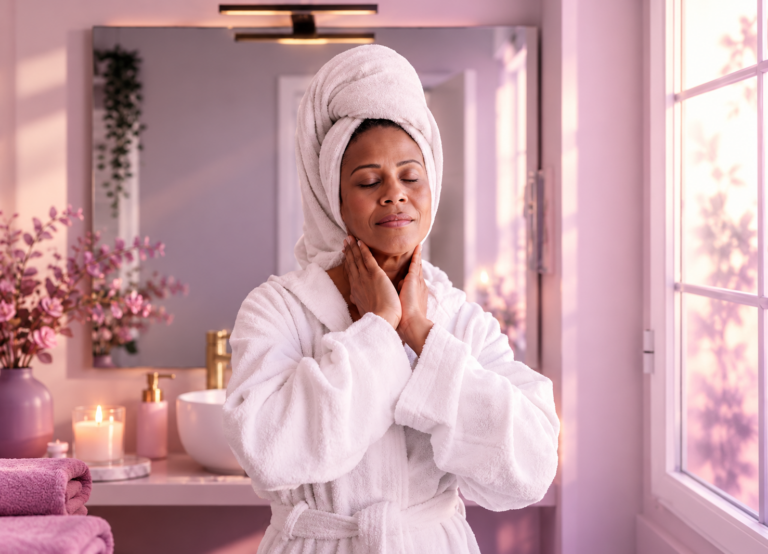
Women often find themselves balancing multiple responsibilities, from building careers and running businesses to raising families and caring for loved ones. With so many demands competing for attention, personal wellbeing can easily become something that gets postponed until there is more time.But what if self-care wasn't something you had to earn after completing everything else?
What if it became part of how you live every day? At Take the Lead, we believe that prioritising your health and wellbeing is an important step towards living a more confident, balanced and fulfilling life. What does self-care really mean? Self-care is often associated with spa days, holidays, beauty treatments and expensive wellness experiences. While these can be enjoyable, self-care is much broader than occasional treats. It is the everyday practice of recognising your needs and taking practical steps to support your physical, emotional and mental wellbeing.It might mean preparing a nutritious meal, getting enough rest, going for a walk, setting boundaries or taking a few quiet minutes to breathe.
Sometimes, self-care also means asking for help instead of trying to manage everything alone. The most meaningful self-care routines are often the ones that fit naturally into your lifestyle.Why women should make their wellbeing a priority When your schedule is constantly full, it can become difficult to notice when you are tired, overwhelmed or emotionally drained. Taking time to check in with yourself helps you become more aware of what you need.
1. Supporting your physical healthYour body needs nourishment, movement, hydration and rest. Making these basic needs part of your routine can help you feel more energised and better prepared for daily activities.You do not need an elaborate fitness programme to get started. A short walk, a balanced meal or a consistent bedtime can be a useful first step.
2. Making space for emotional wellbeing Life comes with responsibilities, uncertainty and change. Having time to reflect, relax and express your feelings can help you recognise what is weighing on you. You might find it helpful to journal, talk to someone you trust, practise breathing exercises or spend time doing something you genuinely enjoy.
3. Building healthier boundaries Self-care also involves understanding your limits. Saying yes to every request can leave very little time for your own priorities. Healthy boundaries help you make decisions about your time and energy. They may include protecting your personal time, asking for support or being honest when your schedule is full. Simple ways to practise self-care every day You do not have to transform your entire routine at once. Start with small actions that feel realistic and repeatable. Start your morning intentionally: Give yourself a few minutes before the day's responsibilities begin. Move your body: Choose an activity you enjoy, whether it is walking, dancing, stretching or a group exercise class. Eat regularly and mindfully: Make time for nourishing meals and pay attention to your body's needs. Take breaks: Step away from work or household responsibilities when you need a moment to reset. Make time for connection: Spend time with friends, family or people who make you feel supported. Protect your rest: Create a relaxing evening routine and allow yourself time to unwind. The goal is not to create another long list of things you must accomplish. It is to make your daily life more supportive of your wellbeing. Let go of the pressure to do everything perfectly One of the biggest challenges with self-care is the expectation that it must look a certain way. Social media can make wellness appear expensive, time-consuming or complicated. In reality, your self-care routine should reflect your circumstances, preferences and needs. Some days, it may involve exercise and meal preparation. On other days, it may simply mean resting and giving yourself permission to slow down. Progress does not have to be perfect to be meaningful. What matters is finding habits that you can maintain and return to when life becomes busy.
Conclusion: Make yourself part of the plan Your wellbeing deserves attention, not just whatever time is left at the end of the day. When you make space for your own needs, you create opportunities to build healthier habits, strengthen your confidence and approach everyday responsibilities with greater awareness.Start small. Choose one thing you can do for yourself today, and make it a regular part of your routine.Take the Lead: Your health, your wellbeing and your personal growth matter. Give yourself permission to prioritise them.